Otoplasty
Refined ear surgery to correct prominence,
reshape, and reposition the ears for a natural,
balanced appearance.

About Otoplasty
Otoplasty, also known as ear surgery, is a procedure designed to improve the appearance of the ears by reshaping,
repositioning, or reducing their size. This procedure can address a variety of concerns, including protruding ears,
oversized or misshapen ears, and certain congenital defects.
Dr. Ajeti specializes in creating natural-looking results that enhance facial harmony without drawing undue attention to the
ears themselves. With his extensive experience and refined techniques, he is able to achieve subtle yet significant
improvements that boost confidence and self-esteem.
Whether you're considering otoplasty for yourself or your child, Dr. Ajeti provides personalized care throughout the entire
process, from initial consultation through recovery, ensuring optimal results and a positive surgical experience.
Benefits of Otoplasty
Improved Appearance
Correction of protruding ears and other ear
abnormalities for a more balanced facial
aesthetic.
Enhanced Confidence
Significantly boosts self-esteem and confidence, particularly for children who may
experience teasing.
Natural Results
Dr. Ajeti's technique ensures ears look natural
and proportionate to other facial features.
Long-Lasting Results
The results of otoplasty are permanent,
providing a lifetime improvement to ear
appearance.
Minimal Scarring
Incisions are carefully placed behind the ear
or within natural creases, resulting in virtually
invisible scars.
Improved Functionality
In some cases, otoplasty can also improve
hearing by repositioning the ears for better
sound capture.
The Procedure
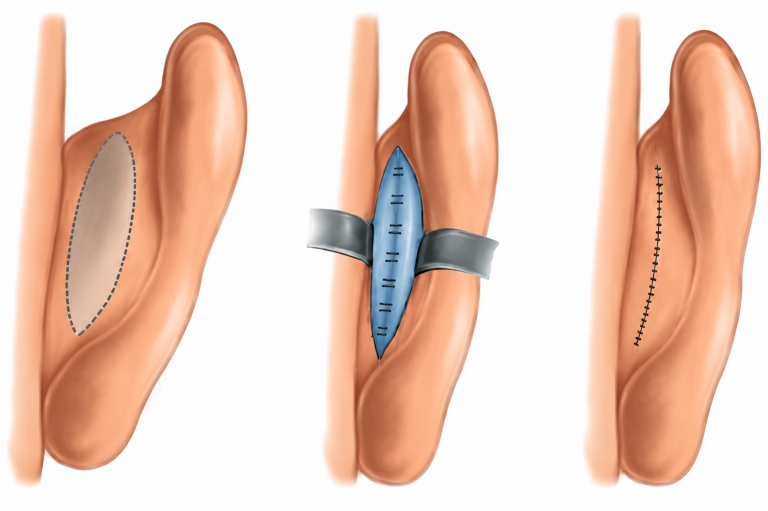
Surgical Approach
Dr. Ajeti employs a meticulous approach to otoplasty,
tailoring each procedure to the patient's unique ear
anatomy and aesthetic goals. The surgery typically
involves carefully placed incisions behind the ear or within
the natural folds to access and reshape the cartilage.
Using advanced techniques, Dr. Ajeti may remove excess
cartilage, reposition existing cartilage, or use specialized
sutures to create the desired shape and position. These
precise modifications allow for natural-looking results
with minimal visible scarring.

Duration
The procedure typically takes
1 hours, depending on
complexity and specific
techniques required.

Anesthesia
Usually performed under local
anesthesia with sedation for
adults, and general anesthesia
for children.

Recovery
Usually performed under local
anesthesia with sedation for
adults, and general anesthesia
for children.
Dr. Ajeti's Approach
Dr. Ajeti's approach to otoplasty emphasizes creating natural-looking ears that complement the patient's facial
features. Rather than applying a one-size-fits-all technique, he carefully analyzes each patient's unique ear
anatomy and facial proportions to determine the optimal approach.
His surgical technique focuses on preserving natural contours while addressing specific concerns such as
prominence, size, or shape. This tailored approach ensures results that look natural and harmonious rather than
operated or "pinned back."
With particular attention to symmetry and proper positioning, Dr. Ajeti achieves balanced results that enhance the
overall facial aesthetic without drawing undue attention to the ears themselves.
Recovery & Results
Recovery Timeline
Post-Operative Care
Days 1-3:
Days 4-7:
Weeks
2-3:
Week 4:
Week 6+:
Add Your HeHead bandage in place. Mild discomfort,
managed with prescribed medication.ading Text Here
Bandages removed, replaced with lighter headband. Most patients return to work/school.
Swelling continues to decrease. Headband
worn at night to protect ears.
Most normal activities can be resumed. Avoid
contact sports.
Full recovery. All activities including sports can
typically be resumed.
- Keep head elevated while sleeping for the first week
- Avoid sleeping on the sides of your head
- Wear the protective headband as directed, especially at night
- Keep the surgical site clean and dry as instructed
- Take prescribed medications as directed
- Avoid strenuous activities for at least 3-4 weeks
- Attend all scheduled follow-up appointments